




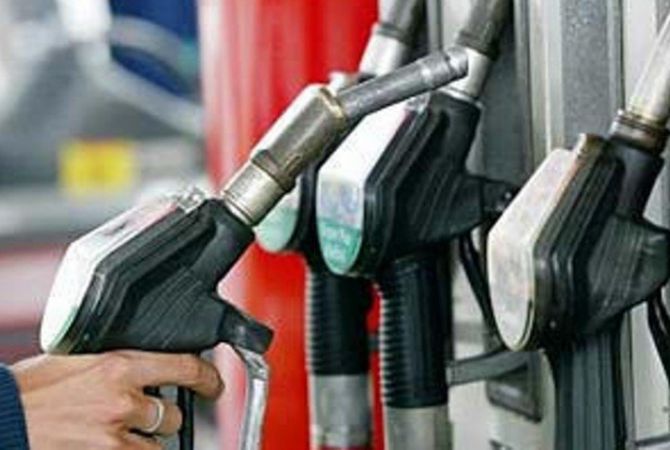

From January 1, the State Commission for the Protection of Economic Competition of the Republic of Armenia has examined the price increases in the fuel market to find out the extent to which the price changes are in line with the changes in tax rates. In the first working day of the year they summarized data collected from the end of the previous year.
"We all know that from January 1, 2018, the new Tax Code has been put into effect, which envisages a number of changes in the existing tax regulation field. The amendments also refer to tax rates for some products. Among those products, the most important and socially significant products include petrol, diesel fuel and natural gas. Taking into account the fact that the changes in tax rates directly affect sales prices, as well as the fact that companies with dominating positions in the petrol and diesel fuel markets have been involved, the Commission has made detailed calculations for price changes in these products.
First of all, we would like to refer to the opinions voiced in these days that, unlike petrol and gas, diesel fuel should not have got expensive, as the excise taxes on them have not increased but decreased. In response to these views, it should be noted that by 2018 import and sale of diesel fuel was exempt from VAT taxation. The excise tax amount was not less than 35,000 drams per ton. From January of the current year, the excise tax on imported diesel fuel will amount to 13,000 drams per ton, ie, this part has dropped, but simultaneously, the import and sale of diesel fuel is subject to VAT taxation.
Considering that excise tax and VAT calculation also depend on the customs value of diesel fuel and sales prices, therefore, based on these indices, calculations show that despite the reduction of excise tax on the customs border, which amounted 14 drams for 1 liter , but in sale VAT taxation has increased the tax burden. Generally, the indirect taxes levied for the import and sale of diesel fuel have increased by about 60 drams.
As for petrol pricing, please be informed in this regard that since January 2018 the excise tax for petrol has increased by 15,000 drams per ton. If earlier the excise tax for importing 1 ton of petrol was 25,000 drams, now it costs 40,000 drams. Besides, the total amount of excise tax and VAT paid on the customs border till 2018 was AMD 120,000, and at present it is 135,000 drams. As the excise tax and VAT values for petrol imports and sales are related to customs value and sales prices, the calculations based on these data indicate that the amount of excise tax has increased by 10 drams per liter of petrol, and the VAT size by 8-9 drams.
According to the changes in the compressed natural gas tax rates, the excise tax calculated for the sale of this product from January 2018 is 25,000 drams per 1,000 cubic meters. Previously it was 8330 drams. In other words, the amount of excise tax calculated for the sale of 1000 cubic meters of natural gas from January 2018 has increased by 16,670 drams. Taking into account the fact that VAT is also added to the mentioned sum, which is about 3300 drams per 1000 cubic meters, in general, the increase in taxes on this fuel is about 20 000 drams per 1000 cubic meters.
Thus, the calculations made at this point show that the rise in prices for petrol, diesel fuel and compressed natural gas in January 2018 is entirely conditioned by the changes introduced by the Tax Code, effective from January 1, 2018, "SCPEC reports.
The material is copyrighted and protected by law